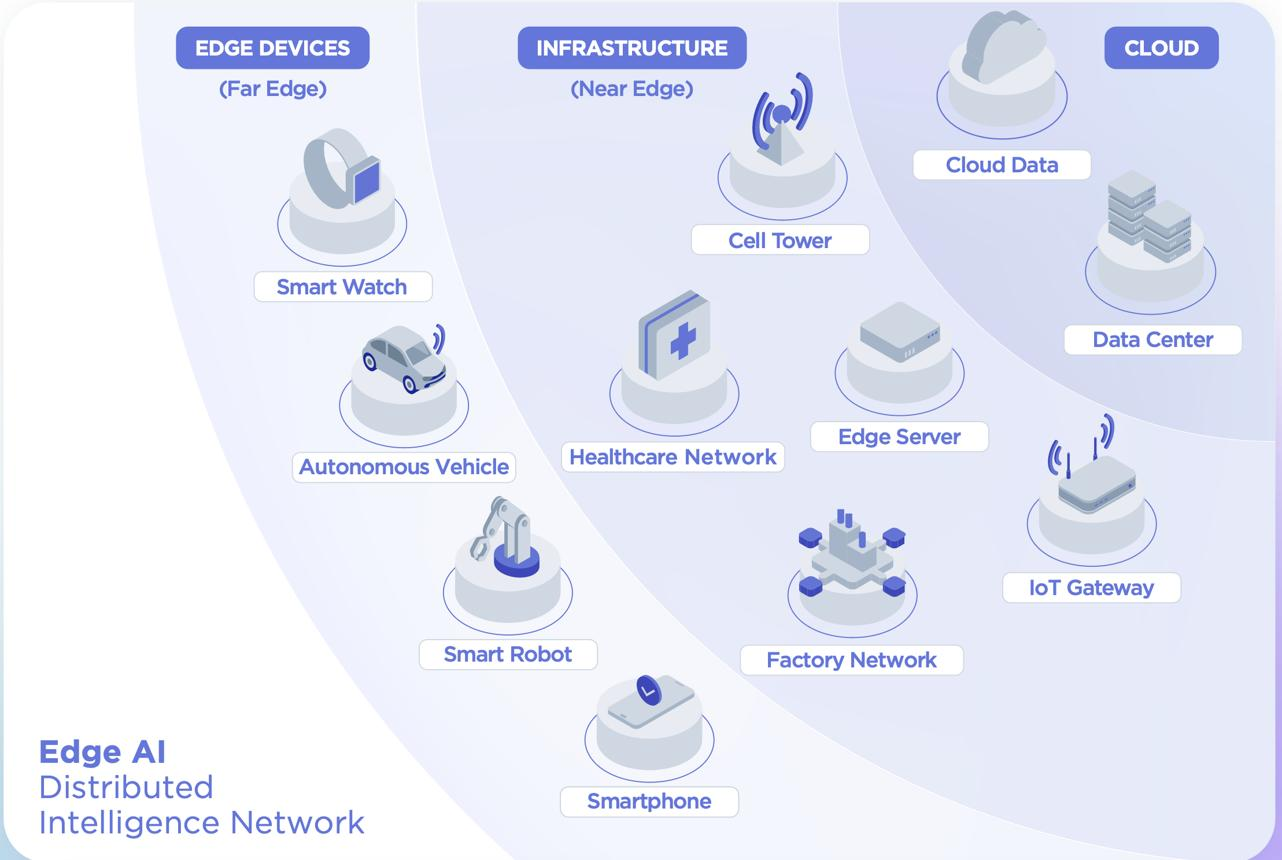
Edge AI Systems
Edge inference architectures that place useful intelligence close to sensors, devices, and real operating conditions.
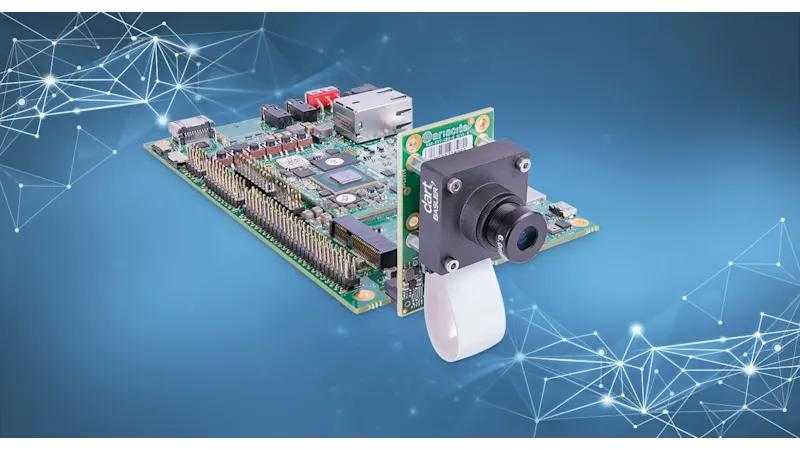
- On-device inference
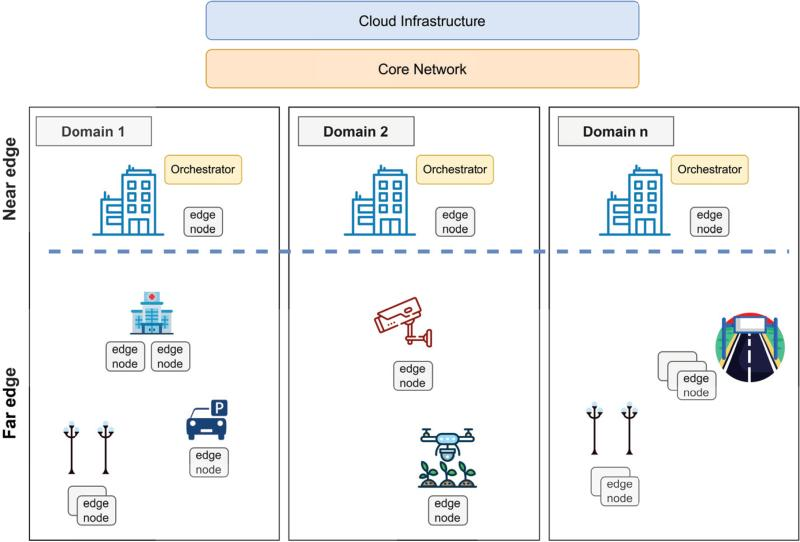
- Edge compute topology
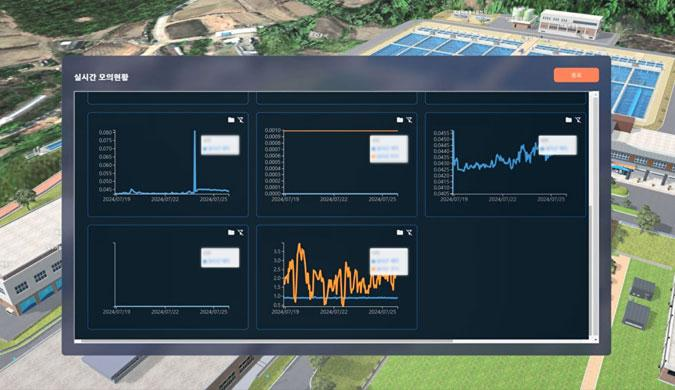
- Runtime observability
WONJIN C&C Corp. · EDGEWARE
Edge AI · Embedded Intelligence · Physical Systems
Edgeware designs embedded intelligence, edge infrastructure, and AI-integrated operational systems for teams connecting software with real-world sensing, networks, and physical environments.
Building Edgeware as our core technology business, and building new ventures with it.
About Edgeware
Edgeware works where AI, embedded systems, infrastructure, networks, and physical operations meet. The focus is real-world execution: systems that sense, infer, coordinate, and operate close to the environment they serve.
The work combines Python backend development, embedded AI systems, middleware, FPGA-aware thinking, network infrastructure, VoIP/VPN operations, and hardware-software integration into practical edge architectures.
WONJIN C&C Corp.
WONJIN C&C Corp. is an Edge AI company and venture builder. Through its core technology brand Edgeware, the company develops Edge AI, embedded intelligence and physical systems while building five independent ventures — K-Nation, X-Link, K-talk, Peace Builder and PeacePlus — designed to scale and eventually spin out as standalone companies when they can sustain themselves independently.
Capabilities
Edge inference architectures that place useful intelligence close to sensors, devices, and real operating conditions.
Embedded software and hardware-aware systems that bring AI logic into constrained physical environments.
Infrastructure for sensor-connected AI systems that interpret physical signals and coordinate technical responses.
Operational systems where AI, backend services, middleware, and human accountability are designed as one technical layer.
Networked edge environments that move decisions across devices, gateways, services, and operational interfaces.
Systems architecture for AI-connected infrastructure spanning networks, VPN operations, VoIP contexts, and real-world technical assets.
Edge Systems Project Framework
[PROJECT PLACEHOLDER] Define the sensing context, edge compute constraints, network path, and latency or reliability requirement.
[PROJECT PLACEHOLDER] Describe the embedded inference layer, backend service, observability view, and deployment architecture.
[PROJECT PLACEHOLDER] Add only verified operational status, measured behavior, or next-step evidence.
[CASE STUDY PLACEHOLDER] Define the physical signal, device environment, data quality issue, or response coordination gap.
[CASE STUDY PLACEHOLDER] Describe the sensing path, edge processing, AI model boundary, and interface for technical teams.
[CASE STUDY PLACEHOLDER] Add only confirmed system behavior, field-readiness status, or integration outcome.
[PROJECT PLACEHOLDER] Define the network, service, middleware, or infrastructure coordination challenge.
[PROJECT PLACEHOLDER] Describe the architecture connecting edge nodes, backend services, network operations, and AI-assisted decisions.
[PROJECT PLACEHOLDER] Add only verified reliability, visibility, or operational coordination outcome.
Products
Edgeware product line for physical AI, edge I/O, automation and Linux-based control systems.
Edgeware product line
Python-first I/O Processor for Linux SBCs and PCs.
Why Edgeware
Requirements are treated as constraints across devices, networks, data paths, infrastructure, latency, maintainability, and operational responsibility.
AI is applied where it can sense, infer, classify, assist, or coordinate real technical conditions without abstracting away the physical system.
The work considers backend services, middleware, edge devices, VPN and network infrastructure, VoIP contexts, and hardware limits together.
Edgeware favors clear architecture, measurable behavior, and maintainable systems over generic AI narratives or presentation-driven claims.
Engineering Stack
From Engineering to Business
WONJIN C&C applies product strategy, software engineering, edge and infrastructure engineering, security, operations and business development to build and validate new businesses.
WONJIN C&C Ventures
Each venture keeps its own purpose and user boundaries while drawing on the company's engineering and operating experience.

Global K-Community
A global K-community helping people understand, prepare for and deepen their connection with Korea.
Development / Validation

Network Access & VPN
A multi-platform network access and VPN service designed to simplify device and connectivity management.
Development / Validation

Consent-based Messaging
A consent-based messenger built around mutual connection, private messaging and real-time live text calls.
Development / Validation
Global Casual Games
A global casual-game brand beginning with Junction Pulse, turning connection and movement across the world into play.
Development / Validation

Peace Economy
A project exploring Peace Economy, the PUC Project and PRI under the idea that Peace Creates Value.
Development / Validation
Venture Builder Model
A venture moves toward a standalone company only when users, economics, team, technology and governance can sustain independent operation.
How we build venturesPartners & Investors
Explore corporate introduction, partnership, strategic collaboration and future dialogue. This is not an investment solicitation.
Partnership overviewFounder / Systems Background
Edgeware is shaped by cross-domain technical work in Python backend/server development, embedded AI, embedded systems, FPGA-aware engineering, middleware, network operations, VoIP/VPN infrastructure, and hardware-software convergence. The background reflects systems architecture that connects AI with real-world infrastructure.
Contact
Share the physical environment, edge device or network context, current constraint, available signals or interfaces, and the system behavior you need to achieve.
Inquiry categories
Location
(우) 08375 서울시 구로구 디지털로31길 41, 707 C-3호 707 C-3, 41, Digital-ro 31-gil, Guro-gu, Seoul 08375, Republic of Korea